Maluku & Papua · Island
Raja Ampat
Raja Ampat is a remote archipelago of roughly 1,500 small islands off West Papua's Bird's Head Peninsula, inside the Coral Triangle, built around scuba diving and snorkeling across reefs that Conservation International and The Nature Conservancy's marine surveys have documented as among the most species-diverse coral reef systems recorded anywhere — reached only by flying to Sorong, then a further boat or small-plane leg to the regency capital Waisai, then typically another boat transfer to wherever you're staying.
Overview
Overview
Raja Ampat is a remote archipelago of roughly 1,500 small islands off West Papua's Bird's Head Peninsula, inside the Coral Triangle, built around scuba diving and snorkeling across reefs that Conservation International and The Nature Conservancy's marine surveys have documented as among the most species-diverse coral reef systems recorded anywhere — reached only by flying to Sorong, then a further boat or small-plane leg to the regency capital Waisai, then typically another boat transfer to wherever you're staying.
Waisai, the regency capital on Waigeo Island, is consistently described by independent and encyclopedic sources as a transit and logistics point — where the airport, seaport, permit counters, and onward-boat arrangements are — not a diving destination travelers base themselves in for its own sake; recommended bases are outer islands (Arborek, Kri, Mansuar, Gam) or a liveaboard. All visitors must obtain a paid marine park entry permit (administered by the official park authority) plus a separate regency visitor entry ticket; both fees have changed materially over past years and are not stated here as fixed figures — confirm current pricing on the official permit sites before travel. Public ferry and small-plane schedules between Sorong and Waisai have also changed repeatedly in recent years; confirm current timetables shortly before travel rather than relying on a fixed schedule. Dive-site difficulty varies by location: current-swept sites such as Cape Kri and Blue Magic are described by independent dive operators as suited to Advanced Open Water divers given the current strength, while sheltered sites such as Arborek Jetty, Mioskun, and Manta Sandy are described as accessible to Open Water-certified divers and, at several of them, snorkelers.
Experience
What it's like
The real stay decision in Raja Ampat is not about Waisai — independent and encyclopedic sources consistently describe Waisai as a transit and logistics point (airport, seaport, permit counters) rather than a place travelers base themselves for diving or snorkeling. The decision is between budget homestays on outer islands (commonly Arborek, Kri, Mansuar), mid-to-high-end dive resorts on islands such as Kri, Gam, Mansuar, and Misool, or a multi-night liveaboard. Independent sources describe homestays as lower-cost with more direct community contact but more variable dive-support infrastructure and limited electricity/Wi-Fi; resorts as materially more expensive with more consistent service and structured dive operations; and liveaboards as the practical way to reach the more remote southern (Misool) and northern (Wayag) reefs in one trip, at the highest daily cost.
Areas to know
These are reference descriptions of areas within Raja Ampat — not a stay comparison.
- Waisai (Waigeo Island) — The regency capital and gateway — airport, seaport, permit counters, and where onward boat transfers are arranged. Independent sources do not recommend it as a stay base for diving.
- Outer islands (Arborek, Kri, Mansuar, Gam, Misool) — Where homestays, resorts, and dive operations are actually based; Misool in the south is described by dive-industry sources as less accessible from the Dampier Strait area and more practically reached by liveaboard.
Marine park permit
All visitors to Raja Ampat's marine protected areas must obtain a paid entry permit through the official park authority, plus a separate regency visitor entry ticket administered through its own online registration system. Both fees have changed materially over past years across the sources reviewed — confirm current pricing directly with the official permit sites before travel rather than relying on a fixed figure stated here.
Remoteness and practicalities
Raja Ampat's multi-leg journey (long-haul flight to an Indonesian hub, domestic flight to Sorong, boat/plane to Waisai, further boat to accommodation), permit fees, and higher on-the-ground accommodation costs make it a costly, time-intensive destination independent of diving costs. Cash (Indonesian rupiah) is advised, since card acceptance is inconsistent outside Sorong and Waisai.
Things to do
- Diving and snorkeling — Current-swept sites such as Cape Kri and Blue Magic are described by independent dive operators as suited to Advanced Open Water divers given the current strength, while sheltered sites such as Arborek Jetty, Mioskun, and Manta Sandy suit Open Water-certified divers and, at several of them, snorkelers.
Plan your visit
Plan your visit
When to go
Independent sources describe roughly October–April as the more favorable window for calmer seas and diving, opposite the seasonal pattern in western/central Indonesia; June–September brings heavier rain and occasionally rougher seas that can disrupt boat travel. Air and water temperatures stay fairly consistent year-round, so this guidance is about rainfall and sea state, not temperature. Treat this as a general pattern, not a guarantee — conditions vary locally and year to year.
Getting there & around
Getting there
Raja Ampat is remote even by Indonesian standards. Fly into Sorong (SOQ), which receives direct domestic flights from hubs including Jakarta, Bali/Denpasar, and Makassar (routes and frequencies change seasonally — confirm before booking). From Sorong, most travelers take a public ferry to Waisai (commonly cited around 2 hours by fast ferry); a small pioneer flight direct into Waisai has also operated intermittently but has been altered or suspended multiple times without much notice, per independent sources, so do not plan around it without reconfirming. From Waisai, reaching an outer-island homestay or resort requires a further chartered or accommodation-arranged boat — confirm arrangements directly with your accommodation rather than expecting a published fare.
Getting around
There is no fixed public boat network between islands; onward transport is arranged through your homestay, resort, or liveaboard operator. Electricity, mobile signal, and internet on outer islands are commonly limited, with generator power often restricted to evening hours.
Your trip
How Raja Ampat fits your trip
May suit travelers planning a dedicated, multi-day-to-week-plus diving or snorkeling trip who accept a long, multi-leg journey and higher on-the-ground costs; independent sources describe it as a poor fit for short (2–3-day) trips, budget-focused travel, or travelers wanting nightlife or easy access.
Dates, other stops, and what matters on this trip can make this fit clearer.
Add dates and other stopsInformation used
Information used
Wherely research — Wherely's own research for Raja Ampat, covering the Sorong-Waisai-island access chain, the homestay/resort/liveaboard stay decision, marine park permits, and diving/snorkeling seasonality. Exact fares, schedules, fees, and permit costs change too often to publish as fixed facts.
Photo credit
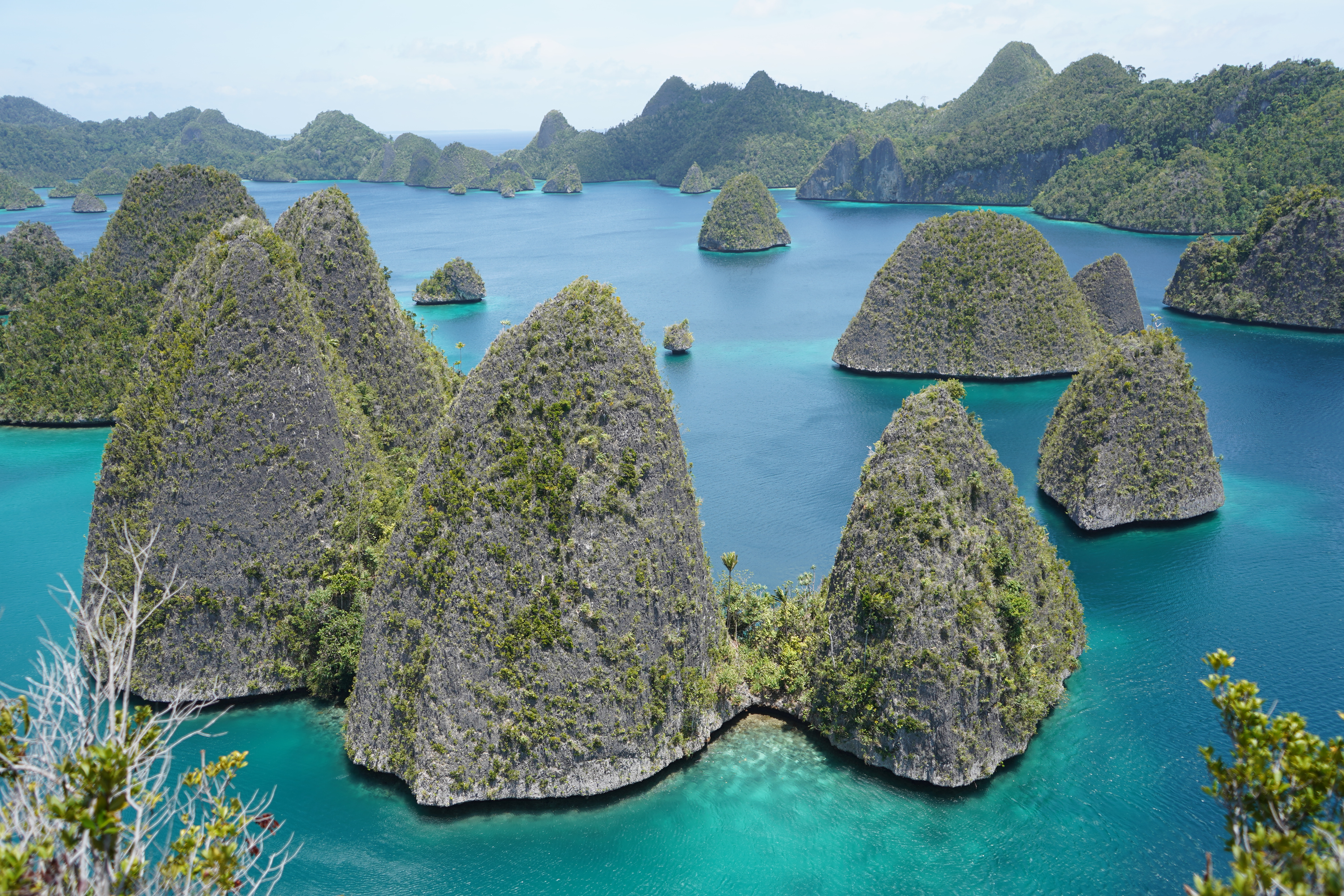
Hero photograph: Raja ampat hero photograph by Abdulahdwi, licensed under CC BY-SA 4.0.
What to do next
What to do next
Return to Maluku & Papua when you want the wider geography, or save this Place when it still fits.