Java · City
Jakarta
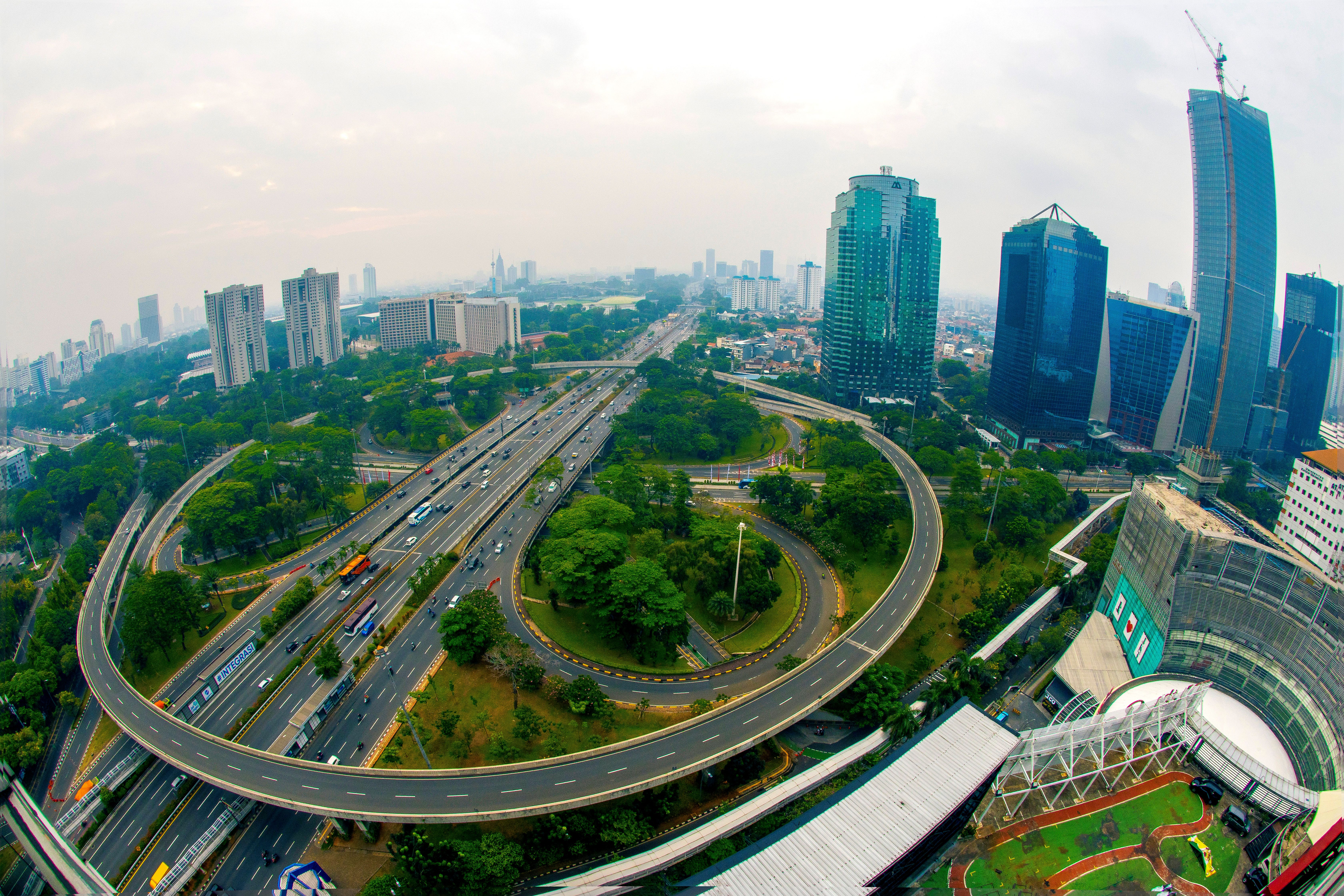
Jakarta is Indonesia's largest city and, under current law, its national capital — a sprawling, traffic-heavy megacity most travelers pass through as an international arrival hub, but with its own genuine multi-day city-travel job: colonial-era Kota Tua, Istiqlal Mosque, national museums, and a food and shopping scene spread across traffic-separated districts that each serve a different kind of stay.
Overview
Overview
Jakarta is Indonesia's largest city and, under current law, its national capital — a sprawling, traffic-heavy megacity most travelers pass through as an international arrival hub, but with its own genuine multi-day city-travel job: colonial-era Kota Tua, Istiqlal Mosque, national museums, and a food and shopping scene spread across traffic-separated districts that each serve a different kind of stay.
A separate new capital, Nusantara, is designated by law in East Kalimantan, but the legal transfer of the capital's seat of government from Jakarta only takes effect once a Presidential Decree is issued — which had not occurred as of the most recent reporting reviewed — so Jakarta remains the country's legal capital for now; confirm current status if this matters to your trip. Most international arrivals land at Soekarno-Hatta Airport (CGK), about 20km from the center, reachable by DAMRI airport bus, a commuter-rail link, or taxi/ride-hailing (costlier and slower in rush-hour traffic); road transfer time is commonly cited around 45–90 minutes but is highly traffic- and weather-dependent. Traffic congestion is a near-constant travel condition, not an occasional inconvenience, and worsens materially during the rainy season (roughly November–March), when flooding has repeatedly disrupted roads, transit, and even the airport access road — build real slack into any multi-district single-day plan, especially in those months. TransJakarta's bus rapid transit network, the Jakarta MRT, LRT lines, and KRL Commuterline regional rail form the city's public-transit backbone, loosely integrated under one fare system.
Experience
What it's like
Jakarta's districts serve distinctly different travel purposes rather than functioning as a single walkable center — the choice is really about what kind of Jakarta stay you want, since moving between districts by road is traffic-dependent and often slow. Central Jakarta (including Menteng) combines government and historic sights with a diplomatic-district character. Kota Tua in West Jakarta is the walkable colonial heritage core. South Jakarta houses the SCBD/Senayan business-and-shopping corridor and the Kemang neighborhood, described by independent sources as popular with expatriates for dining and nightlife. West Jakarta's Glodok area is the city's Chinatown and street-food hub.
Areas to know
These are reference descriptions of areas within Jakarta — not a stay comparison.
- Central Jakarta (Menteng, Merdeka Square) — Government and historic sights — the National Monument, National Museum, Presidential Palace, and Istiqlal Mosque facing Jakarta Cathedral — plus Menteng's protected colonial-era streets and embassy concentration.
- Kota Tua (Old Town, West Jakarta) — The walkable colonial heart of old Batavia, centered on Fatahillah Square and several heritage museums.
- South Jakarta (SCBD/Senayan, Kemang) — The city's primary business and upscale shopping corridor, plus Kemang, described by independent sources as popular with expatriates for dining and nightlife.
Capital status
A separate new capital, Nusantara, is designated by law in East Kalimantan, but the legal transfer of the capital's seat of government from Jakarta only takes effect once a Presidential Decree is issued — which had not occurred as of the most recent reporting reviewed for this page — so Jakarta remains the country's legal capital for now. This is a live, time-sensitive administrative fact; confirm current status if it matters to your trip.
Things to do
- Heritage and museums — Kota Tua's Jakarta History Museum and Wayang Museum; the National Museum near Merdeka Square; Istiqlal Mosque; Taman Mini Indonesia Indah's province-by-province pavilions in East Jakarta.
- Food and shopping — Betawi and Chinese-Indonesian food in Glodok; malls including Grand Indonesia, Plaza Indonesia, and Senayan City.
Plan your visit
Plan your visit
When to go
Jakarta has a tropical climate with relatively little temperature swing year-round. Independent sources describe roughly November–March as the peak of the rainy season, when flooding and traffic disruption are more common on susceptible streets, and roughly June–August as the driest stretch, with April–May and September–October as transitional shoulder periods.
Getting there & around
Getting there
Most international arrivals land at Soekarno-Hatta International Airport (CGK), about 20km from the city center; Halim Perdanakusuma (HLP) serves mainly domestic, charter, and VIP traffic and sits much nearer the city center. From CGK, DAMRI runs scheduled buses to multiple points across the city, a commuter-rail link connects the airport to downtown, and taxis/ride-hailing are available but can be considerably costlier and slower in rush-hour traffic. Road transfer time is commonly cited around 45–90 minutes but is highly traffic- and weather-dependent — the main airport access toll road has repeatedly flooded during rainy-season storms.
Getting around
TransJakarta's bus rapid transit network is the backbone of public transit, complemented by the Jakarta MRT's north-south line through the business corridor, LRT lines, and KRL Commuterline regional rail, loosely integrated under one fare system. Traffic congestion is a near-constant condition rather than an occasional inconvenience, and worsens materially during the rainy season (roughly November–March), when flooding has repeatedly disrupted roads and transit — build real slack into any multi-district single-day plan, especially in those months.
Your trip
How Jakarta fits your trip
May suit travelers who want a genuine multi-day city stop — food, history, shopping, business — rather than only a transit stay; a less certain fit for travelers seeking a compact, easily walkable historic center, quiet pace, or beach/nature focus, which independent sources consistently steer toward Yogyakarta, Bandung, or Bali instead.
Dates, other stops, and what matters on this trip can make this fit clearer.
Add dates and other stopsInformation used
Information used
Wherely research — Wherely's own research for Jakarta, covering the district-by-district stay choice, Soekarno-Hatta airport transfer and city transit options, and traffic/flood-season timing. Exact fares, schedules, fees, and permit costs change too often to publish as fixed facts.
Photo credit
Hero photograph: Jakarta hero photograph by kevin yung, licensed under Pexels License.
What to do next
What to do next
Return to Java when you want the wider geography, or save this Place when it still fits.